

Research Areas & Goals
The Harward Lab is dedicated to advancing the field of functional neurosurgery through integrative, translational neuroscience. Our research bridges molecular mechanisms of plasticity with emerging neurosurgical technologies, with the ultimate goal of improving outcomes for patients with neurological and neuropsychiatric disorders.
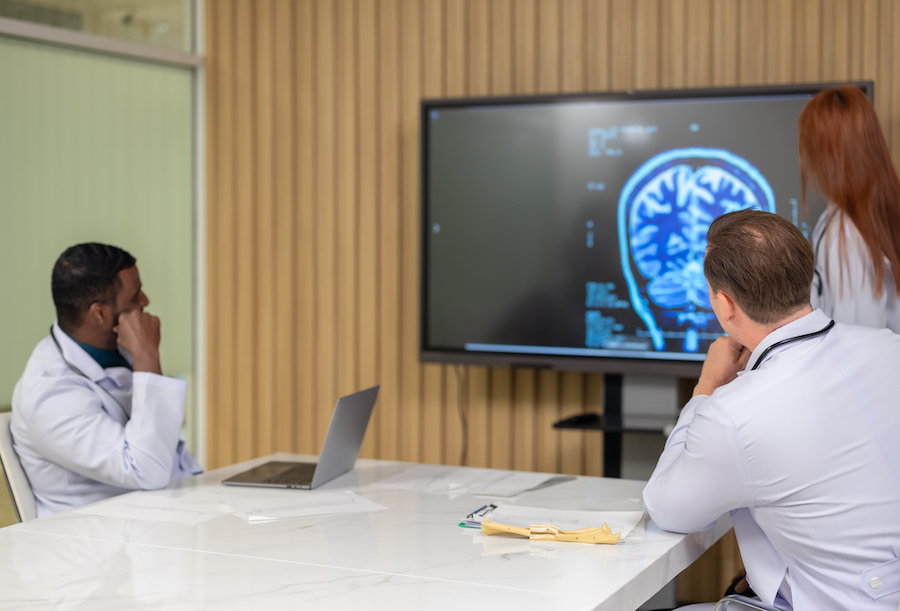
Synaptic Plasticity and Circuit Remodeling
We investigate how experience, injury, and targeted interventions reshape neural circuits at the synaptic level. Focusing on TrkB receptor signaling and activity-dependent plasticity, we use molecular tools, in vivo imaging, and electrophysiological techniques to study how adaptive changes in brain connectivity support recovery after neurosurgical treatment.
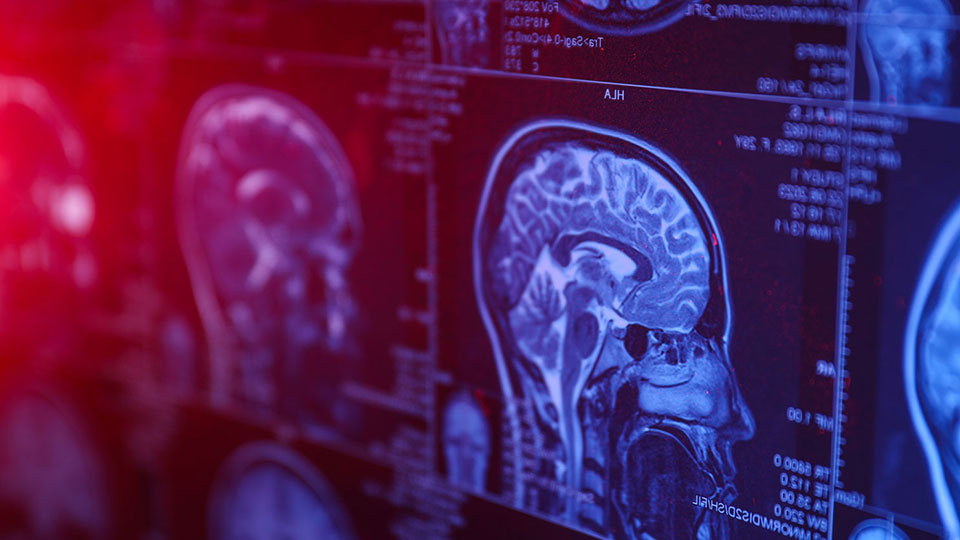
MR-Guided Focused Ultrasound (MRgFUS)
Our team develops and evaluates MR-guided focused ultrasound as a non-invasive platform for precise modulation of deep brain circuits. Applications range from ablative treatments for movement disorders to reversible neuromodulation strategies targeting thalamocortical and limbic networks.
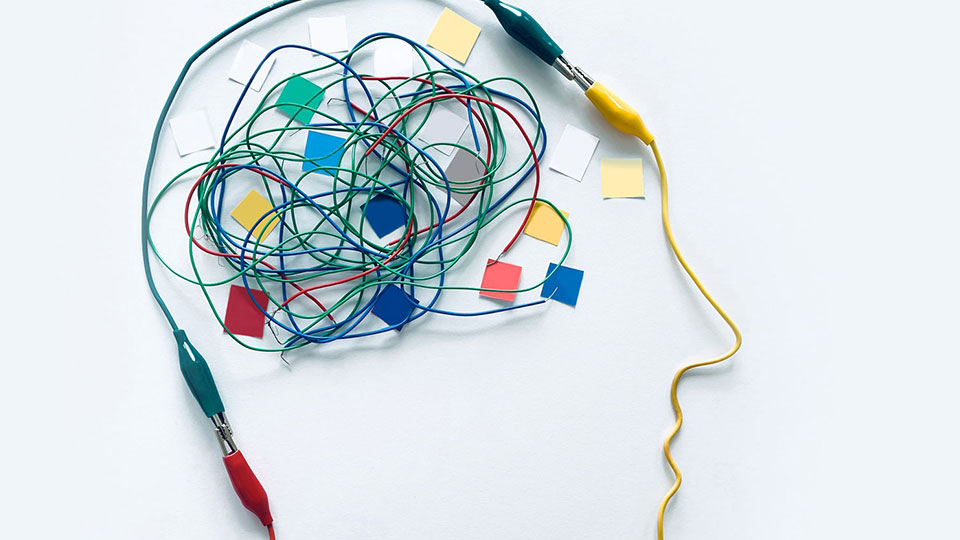
Translational Neurobiology
We bridge basic science with clinical applications by studying how molecular and cellular mechanisms influence systems-level recovery. Our translational work includes the use of preclinical models and patient-derived data to identify therapeutic targets and guide surgical decision-making.

Neuromodulation and Targeted Therapy Development
We collaborate across disciplines to design and implement patient-specific neuromodulation strategies, including closed-loop systems that monitor and respond to circuit activity in real time. These approaches aim to restore function in networks disrupted by disease or surgical intervention.
Mission and Long-Term Goals
- To uncover the cellular and circuit-level mechanisms that drive functional recovery after neurosurgery
- To develop non-invasive, precision-targeted neurosurgical tools for diagnosis and intervention
- To translate fundamental discoveries in neuroscience into patient-centered clinical innovations
- To train and mentor the next generation of physician-scientists and neurosurgical innovators
